
Common Fungal Infections in Cats
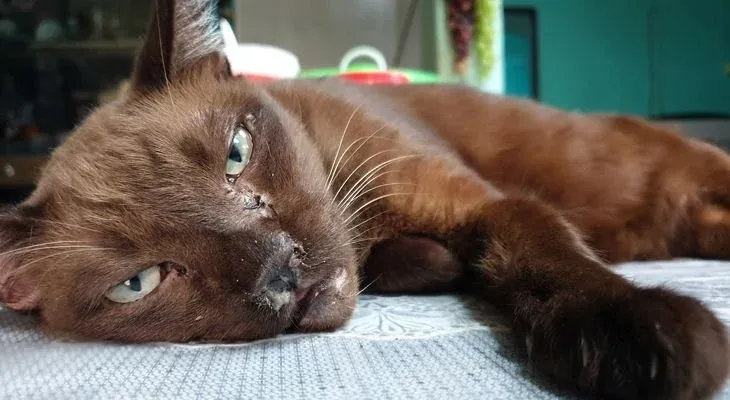
Fungi are spore-generating, parasitic organisms. They are able to survive by taking in food from the hosts on which they grow. Cats can develop fungal infections when fungi spores are ingested, inhaled or enter a cut or wound. Common sources of most fungal infections are soil and bird droppings, making
Eye Problems
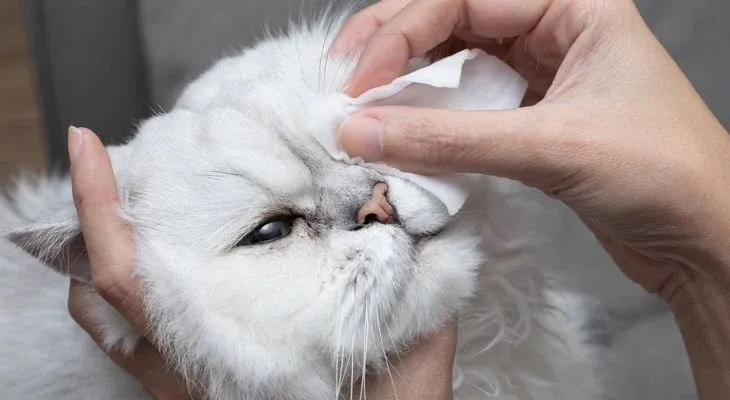
Cats normally have excellent vision—their eyes are about six times more sensitive to light than a human’s eyes. However, injuries and a variety of diseases can impair a cat’s vision and even cause blindness. You can help your cat keep its eyes healthy by making sure it has regular check-ups and
Feline Anemia
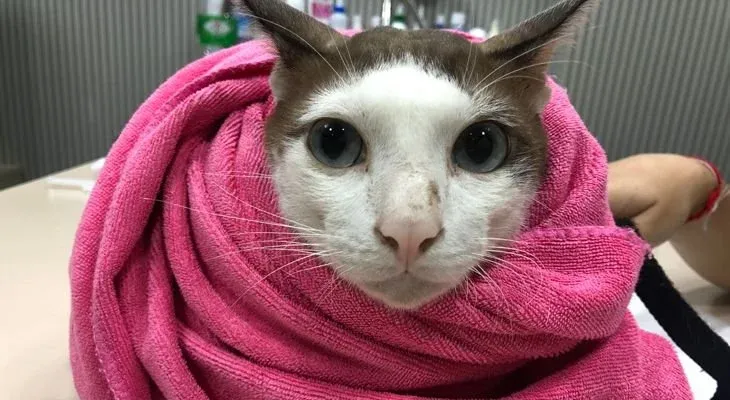
A diagnosis of anemia means your cat does not have enough red blood cells and/or hemoglobin to carry sufficient oxygen to all of his or her tissues. Each red blood cell lives only 70 to 80 days, so your cat’s body must constantly replenish these. Anemia itself is not a disease; it indicates that some
Feline Diabetes
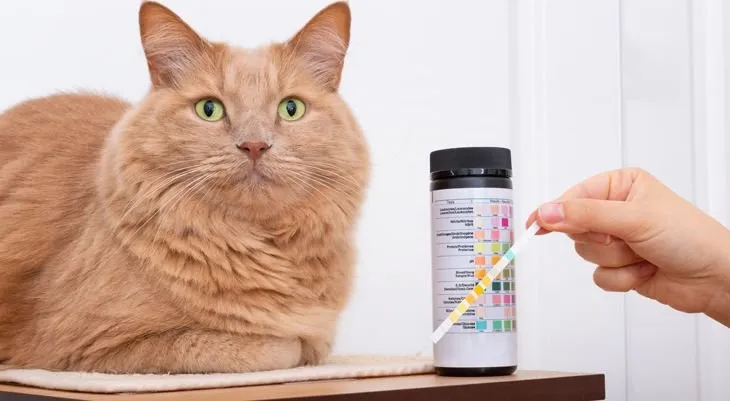
Diabetes mellitus is a common disease in which a cat’s body does not make enough insulin or has difficulty using it. This hormone is produced in the pancreas. Its job is to help move glucose from the bloodstream into the body’s cells to provide them with a source of energy. Many cats with diabetes
Feline Immunodeficiency Virus (FIV)
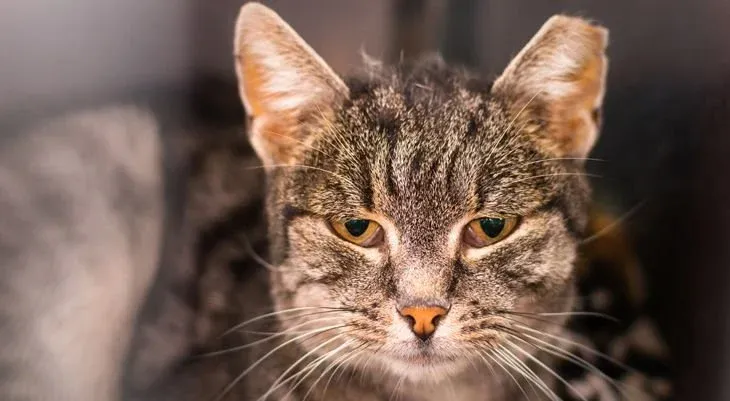
Feline immunodeficiency virus (FIV) is a type of virus that weakens a cat’s immune system and makes it difficult for the cat to fight other infections. This virus affects only felines. Spread of FIV Between 1.5 and 3 percent of healthy cats in the United States are infected with FIV. Cats that roam
Feline Infectious Peritonitis
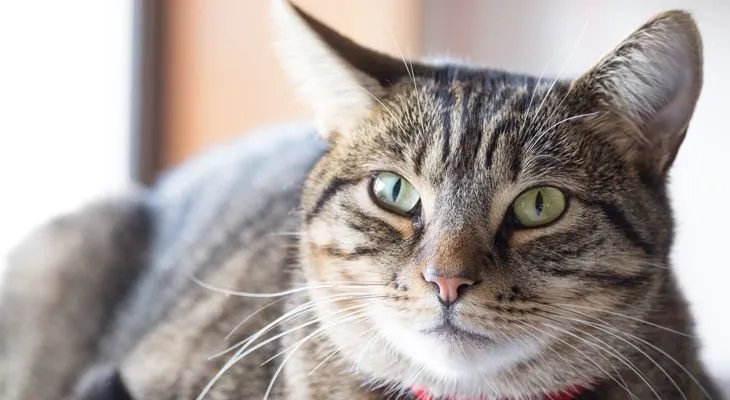
Feline infectious peritonitis (FIP) is a terminal disease that affects cat. Caused by feline infection peritonitis virus (FIPV), it is a mutation of feline enteric coronavirus (FECV) and is more likely to occur in environments where large groups of cats are together, such as animal shelters. The virus
Feline Leukemia Virus (FLV)
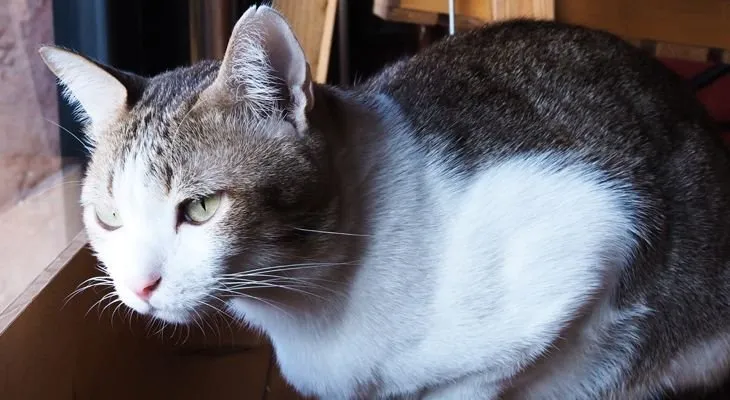
Feline leukemia virus (FeLV) is a retrovirus that, like feline immunodeficiency virus (another retrovirus), produces an enzyme known as reverse transcriptase, which allows the retrovirus to inject duplicates of its own genetic matter into the cells it has corrupted. Though closely related, because a
Feline Pancreatitis
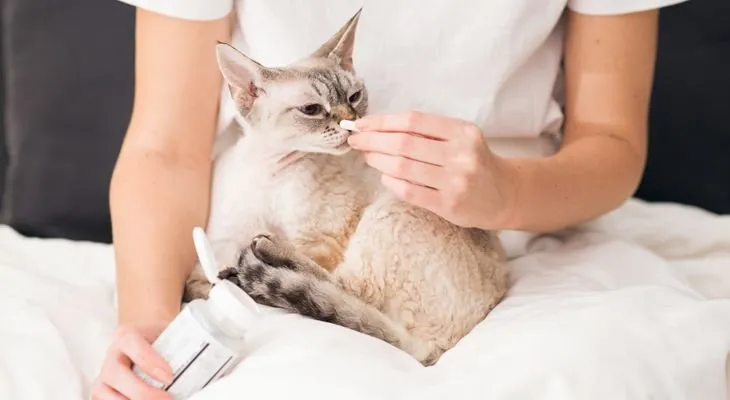
Pancreatitis is rare in cats, but can be very serious. It comes in two forms: chronic and acute, with chronic being more common for cats. The disorder happens when something triggers the pancreas to start destroying its own tissue. Function of the Pancreas This V-shaped organ is small—a cat’s pancreas
Fleas and Ticks
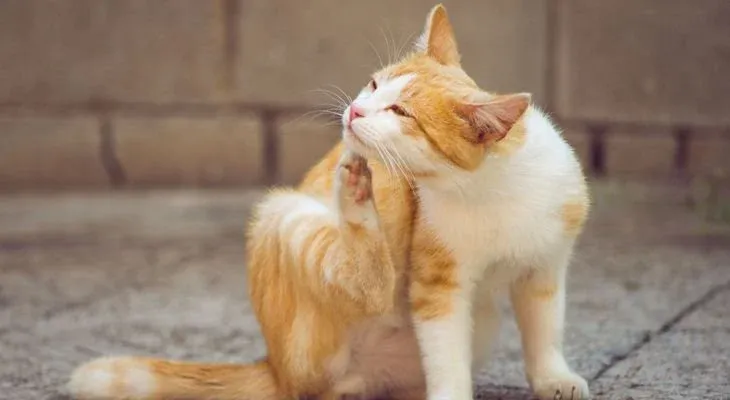
Fleas and ticks are very common in animals with fur. They hop onto your cat and make their way to the skin of the animal, where they proceed to feed on your pet’s blood. They also find your cat’s warm, soft fur to be the perfect breeding ground. Fleas can be obtained when cats go outdoors or come
Gastrointestinal Issues
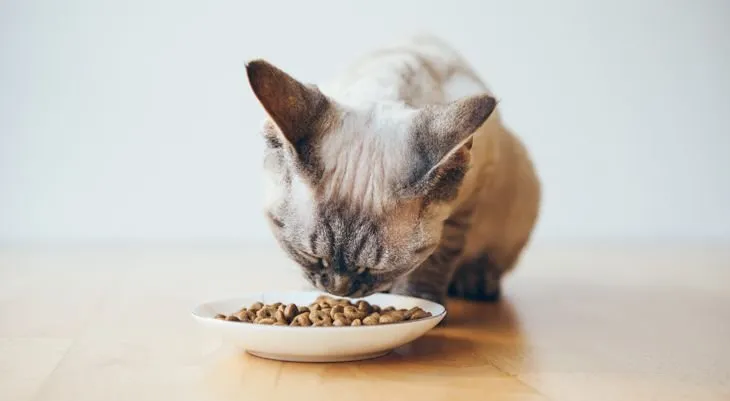
Cats generally face the same gastrointestinal problems that humans or other animals do. If your cat has frequent diarrhea or episodes of vomiting, or other gastrointestinal (GI) issues, make an appointment with your feline veterinarian immediately. Here are a few common GI problems many cats face. Inflammatory