
Microchipping
Pet Microchipping Services for Identification in Summit, NJ
The Importance of Microchipping Your Pet
As a pet owner, you want to take every precaution to protect your furry friends. Microchipping is a simple procedure performed by a veterinarian to help return your pets to you if they become lost. At Summit Dog and Cat Hospital, we perform microchipping and other veterinary services. Let’s learn a bit more about microchipping.
How Does a Microchip Work?
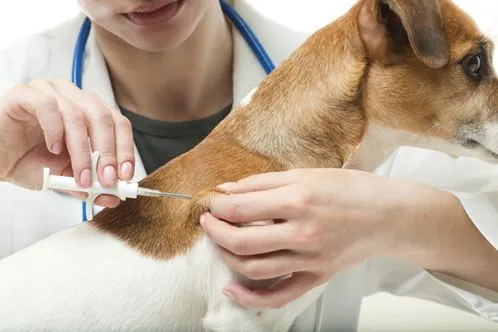
Microchips are small, electronic chips that are about the size of a grain of rice. They are not battery operated and are activated by a scanner that is passed over them. The chip transmits an identification number to the scanner that displays a unique number on the screen.
Pets are implanted under the skin using a hypodermic needle. It is not painful and does not require anesthesia. Most pets don’t even flinch when the microchip is implanted. However, many pet owners choose to perform microchipping during spaying or neutering procedures.
It is not guaranteed that your pet will be returned to you once a microchip is implanted, but it does significantly improve the chances. Microchips are especially useful if your pet is not spayed or neutered since they are more likely to stray away from the home.
Other Information Regarding Microchips
Microchips only contain the information that the owner supplies. You don’t need to be concerned about your privacy. The most important thing to remember is to keep the database updated. These microchips are not GPS tracking devices and should be used in combination with a collar. They provide peace of mind if the collar becomes worn or falls off.
There is not much to do once your pet is implanted with a microchip. You will want to ensure you have accurate contact information in the manufacturer’s database. We can show you how to do this at our office. You will also want to look for any signs of infection at the implementation site, even though it’s rare. We will schedule a follow-up visit to ensure your pet is adjusting to the microchip. Sometimes, the chip becomes dislodged from its original location. We will discuss options with you if this occurs.
Contact Summit Dog and Cat Hospital for Microchipping Services
At Summit Dog and Cat Hospital, we will perform a pet exam to determine if your pet is a good candidate for microchipping although the vast majority of cats and dogs should not have any issues with pet microchipping. Call our team today at (908) 273-2200 or reach us through our website by using our online contact form.
Happily serving Summit and the surrounding areas of Short Hills, Millburn, Livingston, Edison, Chatham, Madison, Union, Westfield and Springfield, NJ.
Frequently Asked Questions
Everything you need to know before your visit.
What is pet microchipping?
Pet microchipping is a simple identification procedure that places a small electronic chip under your pet’s skin. The microchip carries a unique ID number that can be read with a scanner. If your pet gets lost, that number can help connect them back to your contact information.
Is microchipping painful for dogs and cats?
Microchipping is usually quick and does not require anesthesia. The microchip is placed under the skin with a needle, and most pets tolerate the process well. Many owners also choose microchipping for puppies, kittens, or adult pets during a spay or neuter appointment.
Does a pet microchip work like GPS?
No. A pet microchip is not a GPS tracking device. It does not show your pet’s live location. Instead, it stores a unique identification number that can be scanned by a veterinarian, shelter, or animal care facility if your dog or cat is found.
Does Summit Dog and Cat Hospital offer dog and cat microchipping?
Yes. Summit Dog and Cat Hospital provides dog microchipping services and cat microchipping in Summit, NJ. The team can examine your pet, place the microchip, and help you understand how to keep your contact information updated in the microchip database.
Why is microchipping dogs and cats important?
Microchipping dogs and cats is important because collars and tags can break, fall off, or become unreadable. A microchip gives your pet a permanent form of identification and can improve the chances of being contacted if your pet is lost and later scanned.
Location & hours
Find us on
Morris Turnpike.
Open now until 6:00 pm
Office hours
Monday
8:00 am – 6:00 pm
Tuesday
8:00 am – 6:00 pm
Wednesday
8:00 am – 6:00 pm
Thursday
8:00 am – 6:00 pm
Friday
8:00 am – 6:00 pm
Saturday
8:00 am – 2:00 pm
Sunday
Closed
16 Morris Tpke, Summit, NJ 07901
Get directions
Call the hospital
Email us
Looking for a veterinarian near you?
Schedule an appointment with our veterinarians at Summit Dog and Cat Hospital today. Call us to learn more about our services and how we can help keep your pet healthy and happy.