
Pet Surgery in Summit, NJ
Soft tissue and orthopedic veterinary surgery for dogs and cats, from spays to TPLO.
Safe, Effective Veterinary Surgery in Summit, NJ
Summit Dog and Cat Hospital provides a wide range of veterinary surgery for dogs and cats in Summit, NJ, from routine spays and neuters to complex soft tissue and orthopedic procedures. Our hospital combines surgery, digital radiography, ultrasound, in house laboratory testing and post operative care in one location, so the same veterinary team coordinates your pet’s care from diagnosis to recovery.
Please call (908) 273-2200 to schedule a surgical consultation. Every surgery is booked for a specific date and requires a 50% deposit. If you need to cancel, call at least 48 hours before the surgery appointment, because later cancellations forfeit the deposit.
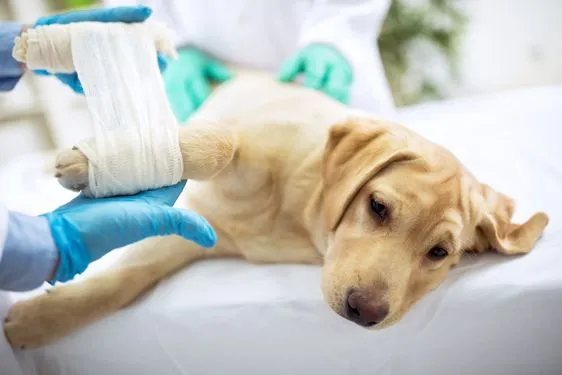
General and Orthopedic Surgery for Dogs and Cats
Surgical procedures performed at Summit Dog and Cat Hospital include:
- TPLO for torn cruciate (ACL) ligaments
- Patellar luxation repair
- FHO (femoral head ostectomy) for hip problems
- Shoulder OCD surgery
- Fracture repair at all levels, including casts and splints
- Tendon repair
- Amputation of the tail, toe, front limb or hind limb, including screw tail surgery in Bulldogs
- Bone biopsy
- Exploratory laparotomy for dogs and cats
- Skin wound repair and reconstruction
- Eye removal (enucleation)
- Spay and neuter, including cryptorchid neuters for retained testicles
- Pyometra surgery
- Cherry eye repair
- Mass and tumor removal, with incisional biopsy
- Anal sacculectomy
- Hernia repair
- Foreign body removal from the stomach or intestines
- Cystotomy for bladder stones
- Ear surgery: TECA BO, ventral bulla osteotomy and Zepp lateral ear canal resection
- Brachycephalic airway surgery, including stenotic nares correction
Before surgery, our veterinarians build each plan from a thorough diagnosis using:
- Abdominal ultrasound, usually scheduled within 2 days
- Echocardiogram, usually scheduled within 2 days
- Fine needle aspirate (FNA) cytology
- Digital radiographs (X rays)
- Presurgical bloodwork
Our surgical suite and in house lab let us complete presurgical exams and lab work quickly, so you are not left waiting for a date. The exam findings and bloodwork results decide the anesthesia and surgical approach used for your pet.
Veterinary surgery is a team effort. While the veterinarian operates, a trained technician continuously monitors and adjusts your pet’s anesthesia, body temperature and IV fluids, and the team reports any change immediately so it can be addressed right away.
After surgery, we create a pain management plan for your pet’s size, breed and condition, and send you home with written care instructions. We recommend a follow up visit for every surgical patient so we can catch small problems before they turn into larger ones.
Before any procedure, we explain the type of anesthesia, the expected length of recovery and the estimated cost, and answer every question you have. You will know what to expect from drop off to the final recheck, so there are no surprises.
Frequently Asked Questions
Everything you need to know before your pet's surgery.
What types of pet surgery are available at Summit Dog and Cat Hospital?
Summit Dog and Cat Hospital performs soft tissue and orthopedic surgery for dogs and cats in Summit, NJ. Orthopedic procedures include TPLO for torn ACLs, patellar luxation repair, FHO and fracture repair. Soft tissue procedures include spay and neuter, pyometra surgery, cystotomy, mass removal, hernia repair, and ear and airway surgery.
Does my pet need a consultation before surgery?
Yes. A surgical consultation lets the veterinarian examine your pet, review the diagnosis, discuss treatment options and explain the expected recovery. The team may recommend bloodwork, X rays or ultrasound before scheduling, so the surgical plan reflects your pet’s health and individual risks.
Does Summit Dog and Cat Hospital perform orthopedic surgery?
Yes. Summit Dog and Cat Hospital performs orthopedic surgery for dogs and cats in Summit, NJ, including TPLO for torn ACLs, patellar luxation repair, FHO, shoulder OCD surgery, fracture repair, tendon repair and amputation. Each orthopedic patient has an exam and X rays first, so the plan fits the injury, the pet’s size and activity level.
What should I expect after my pet’s surgery?
Your pet goes home with a pain management plan based on size, breed and condition, plus written instructions for medications, activity limits and incision care. Plan on a cone and limited activity while the incision heals, usually 10 to 14 days. The hospital recommends a follow up visit to catch small problems early.
Is a deposit required when scheduling pet surgery?
Yes. Every surgery is booked for a specific date and requires a 50% deposit. If you need to cancel, call (908) 273-2200 at least 48 hours before the surgery appointment. Cancellations with less than 48 hours’ notice forfeit the deposit.
Location & hours
Find us on
Morris Turnpike.
Open now until 6:00 pm
Office hours
Monday
8:00 am – 6:00 pm
Tuesday
8:00 am – 6:00 pm
Wednesday
8:00 am – 6:00 pm
Thursday
8:00 am – 6:00 pm
Friday
8:00 am – 6:00 pm
Saturday
8:00 am – 2:00 pm
Sunday
Closed
16 Morris Tpke, Summit, NJ 07901
Get directions
Call the hospital
Email us
Looking for a veterinarian near you?
Schedule an appointment with our veterinarians at Summit Dog and Cat Hospital today. Call us to learn more about our services and how we can help keep your pet healthy and happy.