
Understanding Bladder Stone Surgery for Your Pet
Identifying Bladder Stones in Pets
Bladder stones are rock-like collections of minerals that form in the urinary tract of dogs and cats. These stones, which are medically known as uroliths, can cause significant discomfort and interfere with normal urination. While some small stones might pass naturally, many require surgical intervention to prevent a life-threatening blockage. If you notice your pet straining to urinate or see blood in their urine, you should seek a vet near you immediately.
At Summit Dog and Cat Hospital, our team is dedicated to providing high-quality pet care for animals suffering from these painful conditions. Many factors contribute to the formation of these crystals, including genetics, diet, and underlying infections.
The Procedure for Cystotomy Surgery
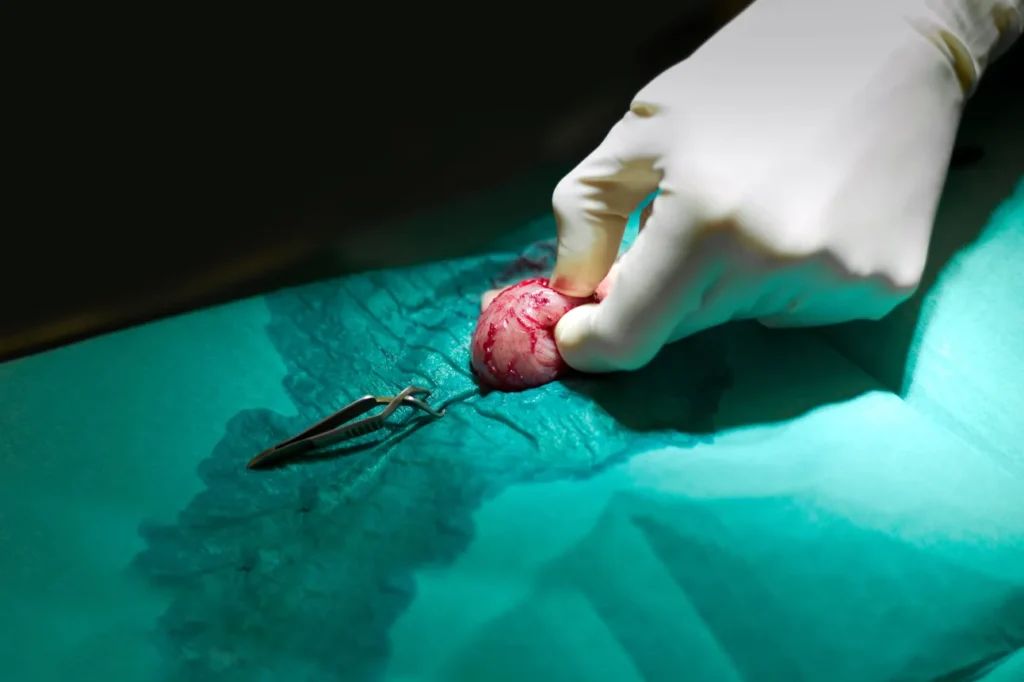
When a veterinarian determines that surgery is necessary, a procedure called a cystotomy is performed. This pet surgery involves making an incision into the abdomen and then into the bladder to remove the stones directly. The patient is placed under general anesthesia to ensure they remain still and comfortable throughout the operation.
After the stones are successfully removed, the bladder is flushed with sterile saline to ensure no small fragments remain behind. This careful approach is used by our surgeons to promote a thorough recovery. Although surgery can feel like a major step, it is frequently the most effective way to provide immediate relief for a pet in pain. Our surgical suite is equipped with advanced technology to monitor your pet’s vital signs during the entire process.
Postoperative Recovery and Pet Care
After the procedure is finished, your pet will require a quiet place to rest while the internal and external incisions heal. Pain medication and antibiotics are typically prescribed to manage discomfort and prevent infection. Since the type of stone dictates future prevention, a specific therapeutic diet might be recommended for your pet.
Routine follow-up visits help us monitor your pet’s progress and ensure the stones do not return. Proper hydration is also essential, so we encourage owners to use multiple water bowls or fountains to increase water intake. Consistent monitoring of urine output is a simple way to track recovery at home. By following these steps, you help your pet return to their happy, active self.
Choosing a Trusted Animal Hospital
At Summit Dog and Cat Hospital, we use the latest techniques to ensure the safety and comfort of every patient. Because stone formation can be a recurring issue, ongoing communication with your vet is vital. For more information or to schedule an appointment, call our office at (908) 273-2200. Successful outcomes are achieved through the collaboration between our doctors and dedicated pet owners.