
There are many potential hazards lurking in your home. Many pets ingest toxins each year, with common culprits being common household items. At Summit Dog and Cat Hospital, we offer urgent care for pet and pet emergency care in Summit, NJ. Our veterinarian is here to help.
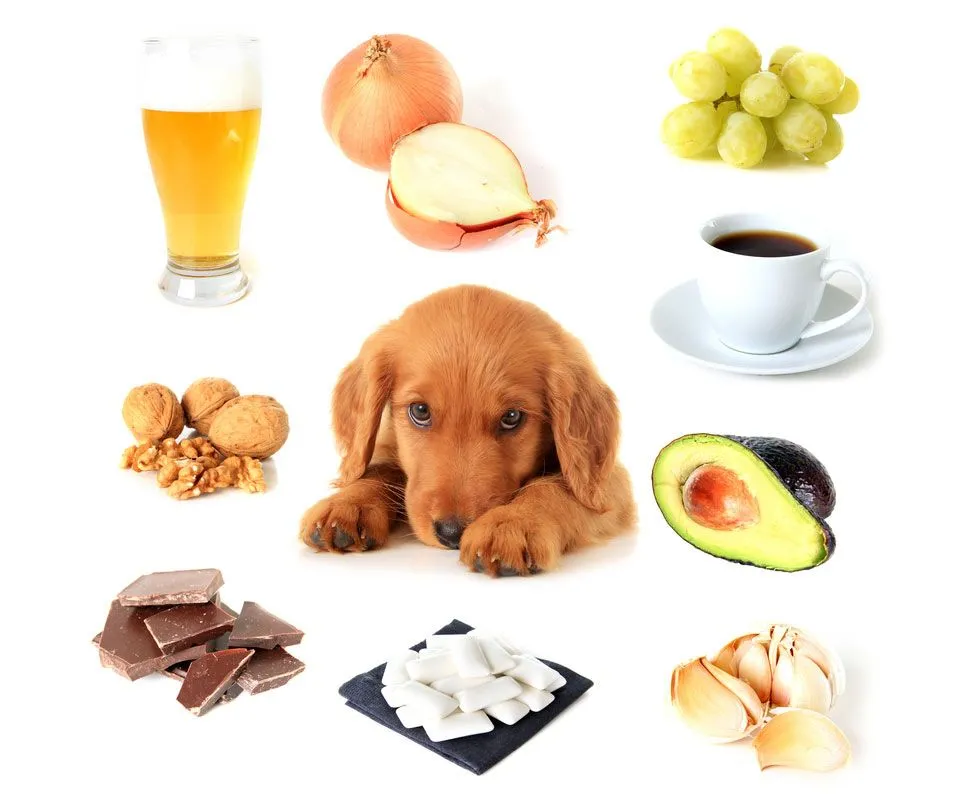
What Are the Most Common Pet Poisons?
One of the most common causes of toxin ingestion is medication. These include over the counter medications, like cough medication. Prescription medications are also dangerous for pets. These include medication for blood pressure, pain medications, and anti-depressants.
Some human foods also pose a danger. Chocolate, garlic, avocado, and macadamia nuts are a few examples of foods that are great for us, but harmful to cats and dogs.
Household chemicals are another hidden danger in your home. These include antifreeze, cleaning products, and paint thinner.
Signs of Pet Poisoning
The signs of pet poisoning vary based on the toxin ingested. However, there are some symptoms you should be aware of.
Stomach upset, including vomiting and diarrhea, can be the first sign your pet has consumed something toxic. However, this doesn’t occur in all cases.
A loss of coordination, shaking or tremors, and loss of consciousness are also signs. Your pet may be lethargic or agitated and hyper.
Drooling, pale gums, and irritation of the mouth can occur. Nosebleeds and excessive bruising might be also signs that your pet has ingested something toxic.
What to Do if Your Pet Ingests Something Toxic
The first thing to do if your pet has eaten something toxic is to remove access to the toxin. Next, you’ll need to call a vet immediately. Expect to get asked what you believe they ate, how much, and when.
Our vet may then recommend you bring your pet in for emergency treatment or monitor them at home.
However, you shouldn’t attempt to treat them without consulting the vet. The wrong treatment can make the situation worse.
Veterinary Treatment for Pet Poisoning
The treatment your veterinarian recommends for pet poisoning will depend on the toxin ingested, the type of pet you have, their age, and their health status.
Potential veterinary treatments include medications to induce vomiting and activated charcoal to absorb the toxin. In some cases, medication to help your pet’s body process the toxin may be needed. In severe cases, surgery may be required.
Toxic Ingestion and Poison Treatment at Summit Dog and Cat Hospital
When toxin ingestion happens, time is of the essence. Pets who receive prompt veterinary care can recover from pet poisoning. If you are in Summit, NJ or the surrounding areas of Short Hills, Millburn, Livingston, Edison, Chatham, Madison, Union, Westfield or Springfield contact us at Summit Dog and Cat Hospital for urgent care for pet. Call us at (908) 273-2200 for more information about pet emergency care.