
Senior Pet Care
Senior Pet Care Services for Aging Pets in Summit, NJ
Supporting Your Pet’s Health as They Age
When it comes to caring for elderly pets, there are a few things you need to keep in mind. Just like people, senior pets require extra love and care. In this overview, we will discuss what you need to do to make sure your furry friend gets the best possible care in their golden years. We will also cover some of the common health issues faced by senior pets. Our veterinarians at Summit Dog and Cat Hospital are here to provide the quality veterinary care that your pet needs at every stage of their life.
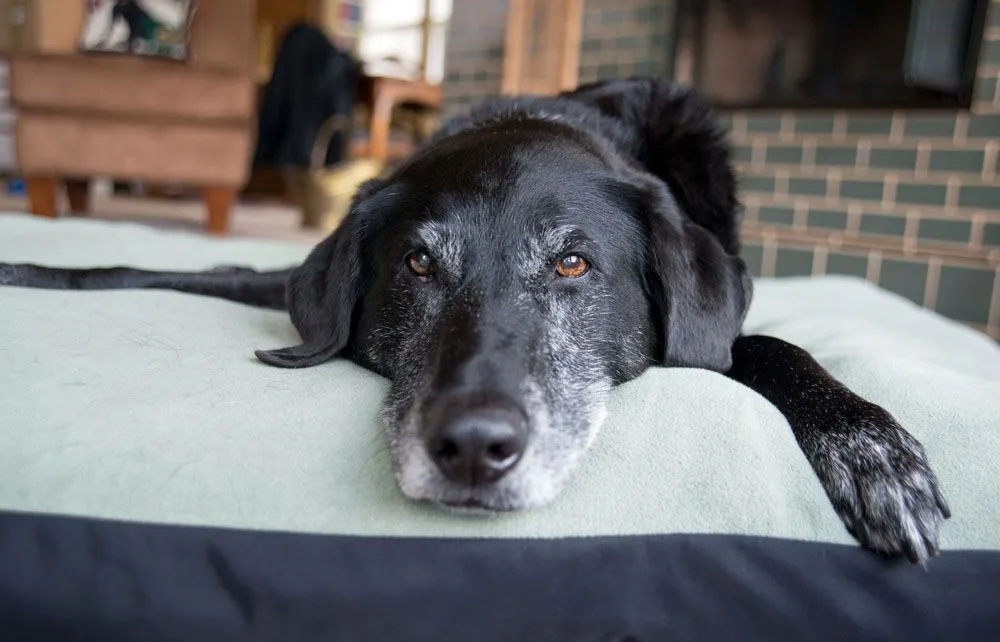
What Is a Senior Pet?
A senior pet is generally defined as being over the age of seven years old. Of course, this will vary depending on the species of the animal. For example, a small dog would be considered a senior at around seven years old, while a larger dog like a Great Dane would be considered a senior at around five or six years old. Cats are considered senior age when they reach around eleven.
Approaching Senior Pet Care
Senior pets should have a different approach to veterinary and home care. Let’s look at a few things you should expect as your pet gets older.
- More veterinary care – As pets age, they become more susceptible to a variety of health problems. If you have an aging pet, make sure to schedule regular check-ups with your veterinarian to support their health and well-being.
- Different dietary needs – Older pets need food that can be easily digested. You will also want to know about adjusting caloric intake because geriatric pets are less active. This also helps with weight management.
- Vaccines – Pets still need vaccines, even in their senior years. You can talk with our veterinarians for more information about what vaccinations your older pet needs.
- Mental health – We discuss with pet owners the importance of mental health in older pets. If you notice any differences in behavior, it is important to discuss them with us at the pet exam.
Understanding Senior Pets
As your pets age, their needs change. It is important to understand these changes and adjust accordingly to ensure your pet is happy and healthy. Another common ailment for senior pets is arthritis and joint pain. We can discuss treatment plans to help your pet reduce his or her discomfort.
Contact Our Veterinarians in Summit For Senior Pet Care
Senior pet care is important and it is something that we take very seriously at Summit Dog and Cat Hospital. We want to make sure that your furry friend enjoys a long, healthy life full of love and happiness. If you have questions about senior pet care or if you think that your pet may be starting to show signs of aging, we are happy to help. Call our team today at (908) 273-2200 or reach us through our website by using our online contact form.
Happily serving the areas of Summit, Short Hills, Millburn, Livingston, Edison, Chatham, Madison, Union, Westfield and Springfield, New Jersey.
Frequently Asked Questions
Everything you need to know before your visit.
When is a dog or cat considered a senior pet?
The senior stage varies by species, breed, and size. Large dogs often reach it earlier than small dogs, while many cats are considered senior later in adulthood. Your veterinarian can assess your pet’s life stage and recommend a care schedule based on individual health rather than age alone.
How often should senior pets visit the veterinarian?
Senior dogs and cats often benefit from examinations every six months, although the schedule may be more or less frequent depending on their health. More regular visits can help track weight, mobility, dental health, organ function, medications, and changes that develop between annual checkups.
What tests may be recommended for an older pet?
The veterinarian may recommend bloodwork, urine testing, blood pressure measurement, imaging, or other screening based on symptoms and medical history. These tests can help identify kidney disease, diabetes, thyroid changes, liver problems, anemia, infection, and other age related concerns.
Which changes in an older pet should not be dismissed as normal aging?
Changes such as increased thirst, weight loss, coughing, confusion, reduced appetite, house soiling, difficulty standing, or less interest in normal activities deserve veterinary attention. Some age related changes are manageable, while others may signal pain or an underlying disease.
How can I support my senior pet’s comfort and mobility?
Maintain a healthy weight, provide appropriate exercise, use nonslip surfaces, and make food, water, beds, and litter boxes easy to reach. The veterinarian may also recommend pain management, joint support, diet changes, rehabilitation, or treatment for a chronic condition.
Location & hours
Find us on
Morris Turnpike.
Open now until 6:00 pm
Office hours
Monday
8:00 am – 6:00 pm
Tuesday
8:00 am – 6:00 pm
Wednesday
8:00 am – 6:00 pm
Thursday
8:00 am – 6:00 pm
Friday
8:00 am – 6:00 pm
Saturday
8:00 am – 2:00 pm
Sunday
Closed
16 Morris Tpke, Summit, NJ 07901
Get directions
Call the hospital
Email us
Looking for a veterinarian near you?
Schedule an appointment with our veterinarians at Summit Dog and Cat Hospital today. Call us to learn more about our services and how we can help keep your pet healthy and happy.