
Feline Immunodeficiency Virus (FIV)
Feline immunodeficiency virus (FIV) is a type of virus that weakens a cat’s immune system and makes it difficult for the cat to fight other infections. This virus affects only felines. Spread of FIV Between 1.5 and 3 percent of healthy cats in the United States are infected with FIV. Cats that roam
Feline Infectious Peritonitis
Feline infectious peritonitis (FIP) is a terminal disease that affects cat. Caused by feline infection peritonitis virus (FIPV), it is a mutation of feline enteric coronavirus (FECV) and is more likely to occur in environments where large groups of cats are together, such as animal shelters. The virus
Feline Leukemia Virus (FLV)
Feline leukemia virus (FeLV) is a retrovirus that, like feline immunodeficiency virus (another retrovirus), produces an enzyme known as reverse transcriptase, which allows the retrovirus to inject duplicates of its own genetic matter into the cells it has corrupted. Though closely related, because a
Feline Pancreatitis
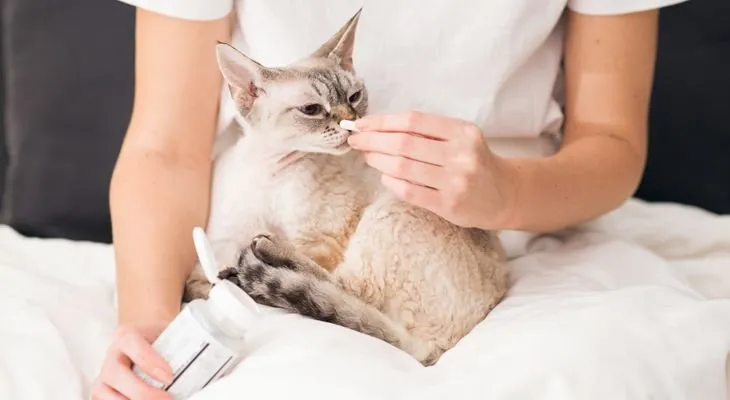
Pancreatitis is rare in cats, but can be very serious. It comes in two forms: chronic and acute, with chronic being more common for cats. The disorder happens when something triggers the pancreas to start destroying its own tissue. Function of the Pancreas This V-shaped organ is small—a cat’s pancreas
Fleas and Ticks
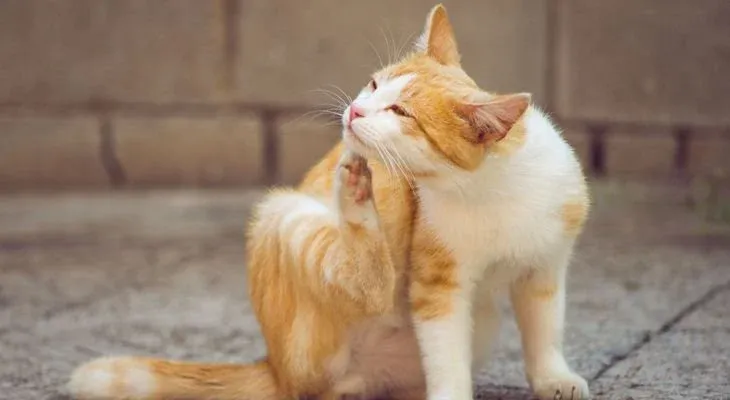
Fleas and ticks are very common in animals with fur. They hop onto your cat and make their way to the skin of the animal, where they proceed to feed on your pet’s blood. They also find your cat’s warm, soft fur to be the perfect breeding ground. Fleas can be obtained when cats go outdoors or come
Gastrointestinal Issues
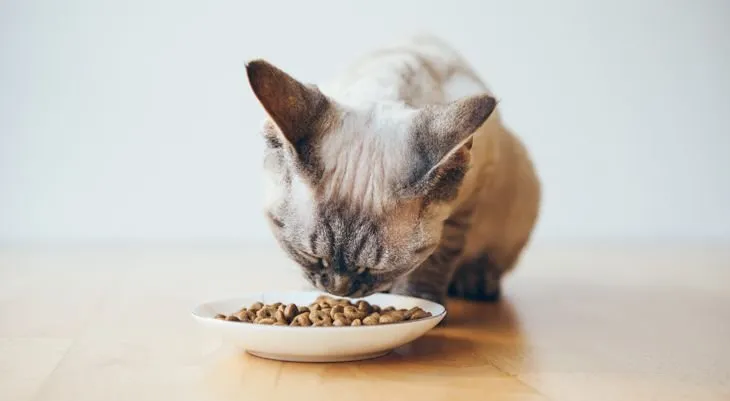
Cats generally face the same gastrointestinal problems that humans or other animals do. If your cat has frequent diarrhea or episodes of vomiting, or other gastrointestinal (GI) issues, make an appointment with your feline veterinarian immediately. Here are a few common GI problems many cats face. Inflammatory
Hairballs
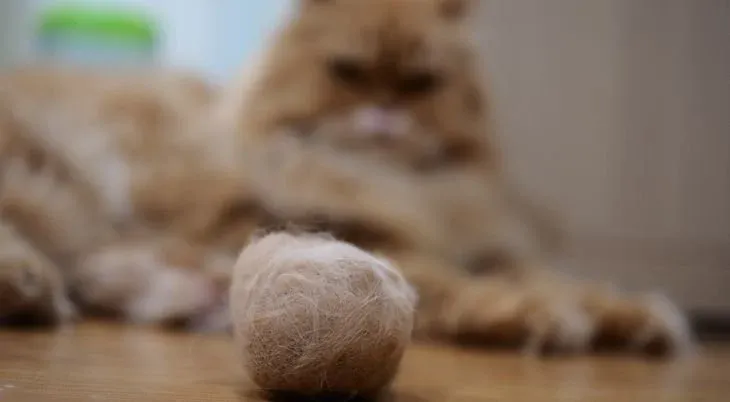
Cat owners are all too familiar with that distinctive sound that cats making when trying to expel a hairball, often in the middle of the night. However, did you know that coughing up hairballs is crucial to your cat? The inability to do so can result in a deadly intestinal blockage. Anatomy of a Hairball Cats’
Health Hazards
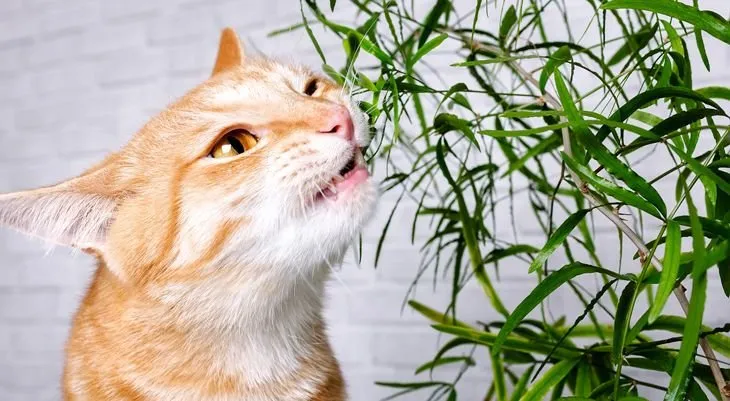
Cat lovers do not like to contemplate the expression “Curiosity killed the cat.” Nonetheless, it is true that cats like to explore and all too often they can encounter serious hazards in their own homes. Cat owners need to assess these dangers so their cats stay safe and happy. Everyday Hazards Home
Heart Problems
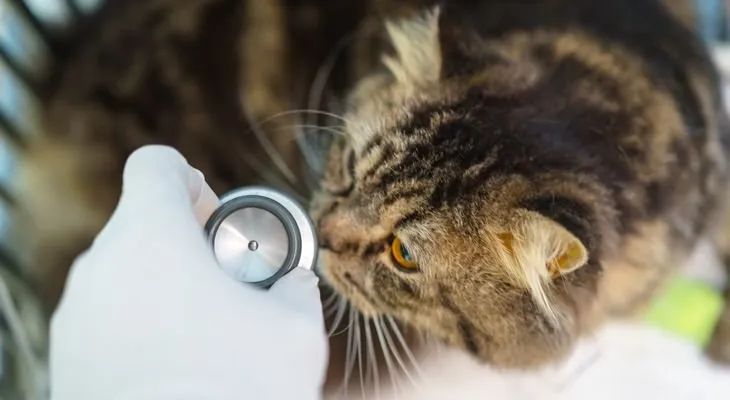
A cat’s apricot-sized heart is susceptible to several problems. Some develop in young kittens while others may strike at any age. Hypertrophic Cardiomyopathy Cardiomyopathy results from a structural abnormality of the tissue around one or more of the heart’s chambers. It disrupts the heart’s normal
Heartworms
While more common in dogs, cats also suffer from deadly heartworm infestation. Heartworms, spaghetti-like white creatures, can measure 1-foot long and cause an inflammatory response in your pet’s heart and lungs. Heartworms are especially prevalent in hot, humid parts of the country, especially in