
Feline Diabetes
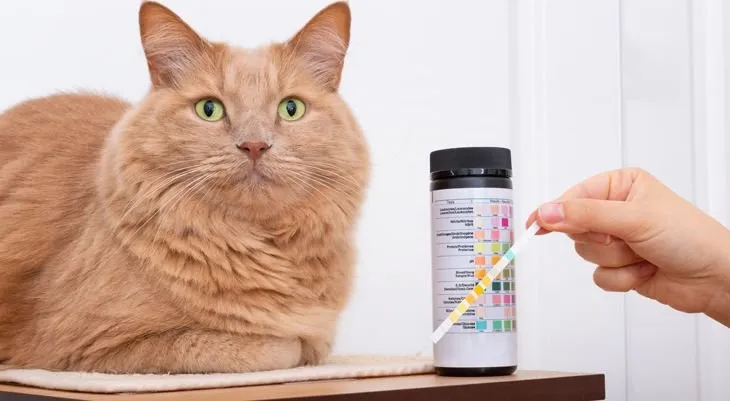
Diabetes mellitus is a common disease in which a cat’s body does not make enough insulin or has difficulty using it. This hormone is produced in the pancreas. Its job is to help move glucose from the bloodstream into the body’s cells to provide them with a source of energy. Many cats with diabetes
Heart Problems
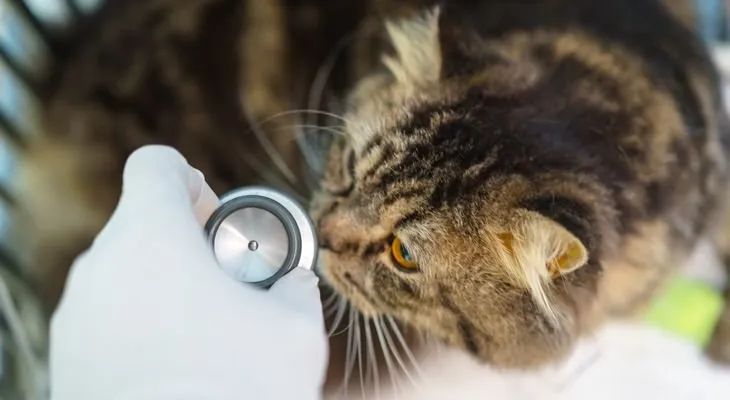
A cat’s apricot-sized heart is susceptible to several problems. Some develop in young kittens while others may strike at any age. Hypertrophic Cardiomyopathy Cardiomyopathy results from a structural abnormality of the tissue around one or more of the heart’s chambers. It disrupts the heart’s normal
Common Feline Skin Conditions: Protect Your Feline
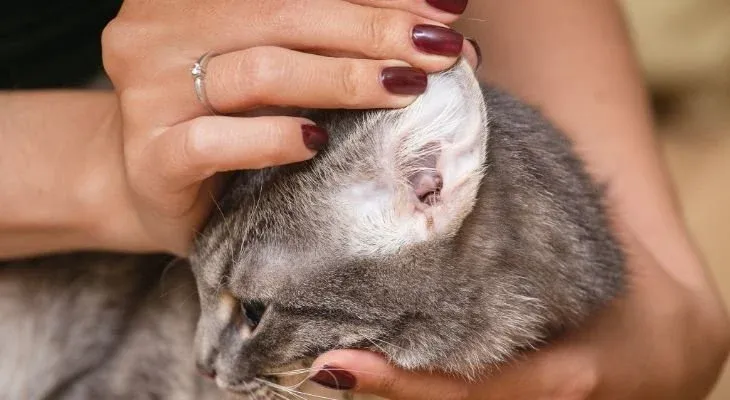
Cats can suffer from a variety of different skin disorders, including feline acne, allergic dermatitis, mites and ringworm. If your cat is frequently itching, scratching, licking his skin beyond normal grooming, or suffering unexplained hair loss, a skin condition may be the cause. The first step to
Vestibular Problems
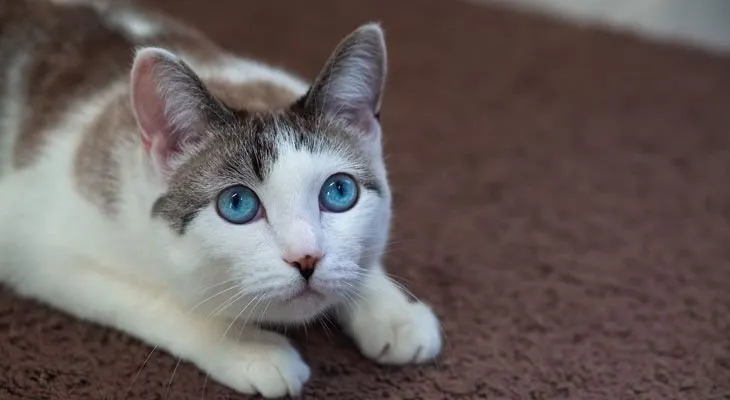
In order to understand how vestibular problems exist, one must first look at the vestibular system, which consists of the parts of the inner ear (vestibular apparatus) and brain (medulla) that help regulate balance and eye movements. The vestibular apparatus involves a number of fluid-filled chambers,
Skin Conditions in Cats
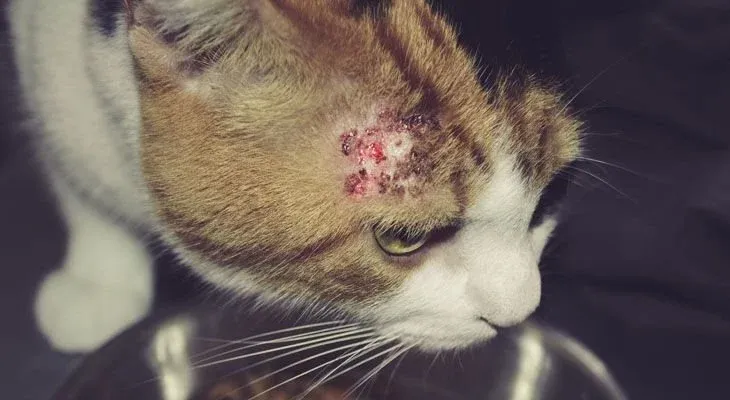
A small number of cats develop various skin conditions, sometimes more than one condition at the same time. Skin conditions can affect a cat’s appearance, as well as increase its risk of more serious skin infections. Causes of Skin Conditions Several factors can affect a cat’s skin, along with related
Respiratory Issues
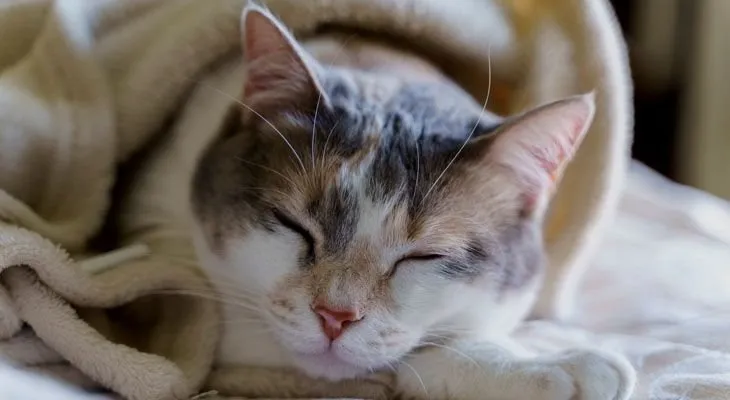
As with people, cats’ lungs allow them to breathe and transfer oxygen from the breath into the blood. Unfortunately, many things go wrong with their little lungs, making feline respiratory issues common. Here are a few things to look out for that could signal that your cat is suffering from a respiratory
Pneumonia in Cats
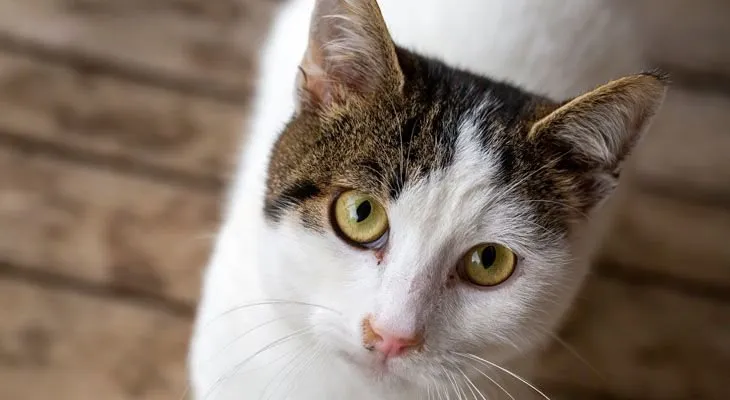
Pneumonia is a condition in which the lungs and airways are inflamed, making it hard for your cat to breathe or get enough oxygen in his or her blood. A viral infection in your cat’s lower respiratory tract is the most common cause of pneumonia. However, a cat can catch pneumonia several different
Neurological Issues

Did you know that your cat’s brain is the size of a golf ball? Despite its small size, a cat’s brain is complex and is an integral part of how a feline’s neurological system functions. If a cat has a defect or injury associated with the brain and the other organs, muscles, tissues and nerves that
Nasal Problems
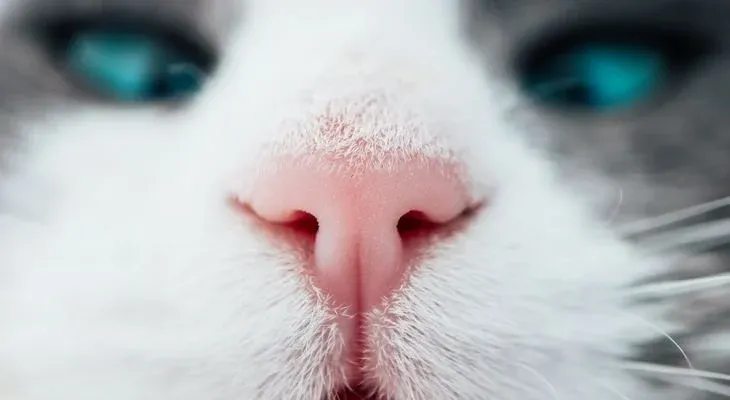
Cats can suffer from several conditions of nose, sinuses and other parts of the upper respiratory tract. These include nasopharyngeal polyps—a type of non-cancerous growth—and inflammation of the membranes of the nasal passages and sinuses. Nasopharyngeal Polyps A nasopharyngeal polyp is a mass of
Liver
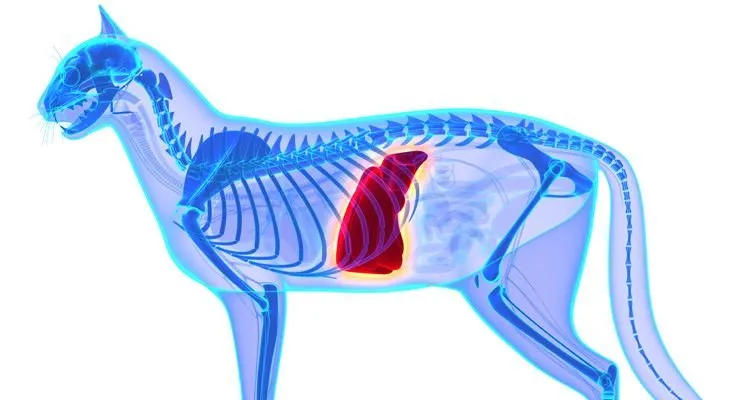
The liver is a very important organ. It is involved in digestion and removing harmful toxins from the blood. Cats can develop several conditions that affect how well their liver works. Cholangiohepatitis One of the most common causes of liver disease in cats is cholangiohepatitis. In this condition,