
Prevent Interaction of Holiday Toxins for Pets
There are quite a few things that are fine for humans, but are toxic to animals. However, some harmful things to animals are more common during the holiday. The veterinarian at our practice can tell you all about these poisonous substances.
Summit Dog and Cat Hospital is the top veterinary hospital in Summit, NJ and the surrounding areas of Short Hills, Millburn, Livingston, Edison, Chatham, Madison, Union, Westfield and Springfield. You should stop by our hospital if your pet needs vet care. Here is what you should know about some common holiday toxins you need to keep away from your pets.
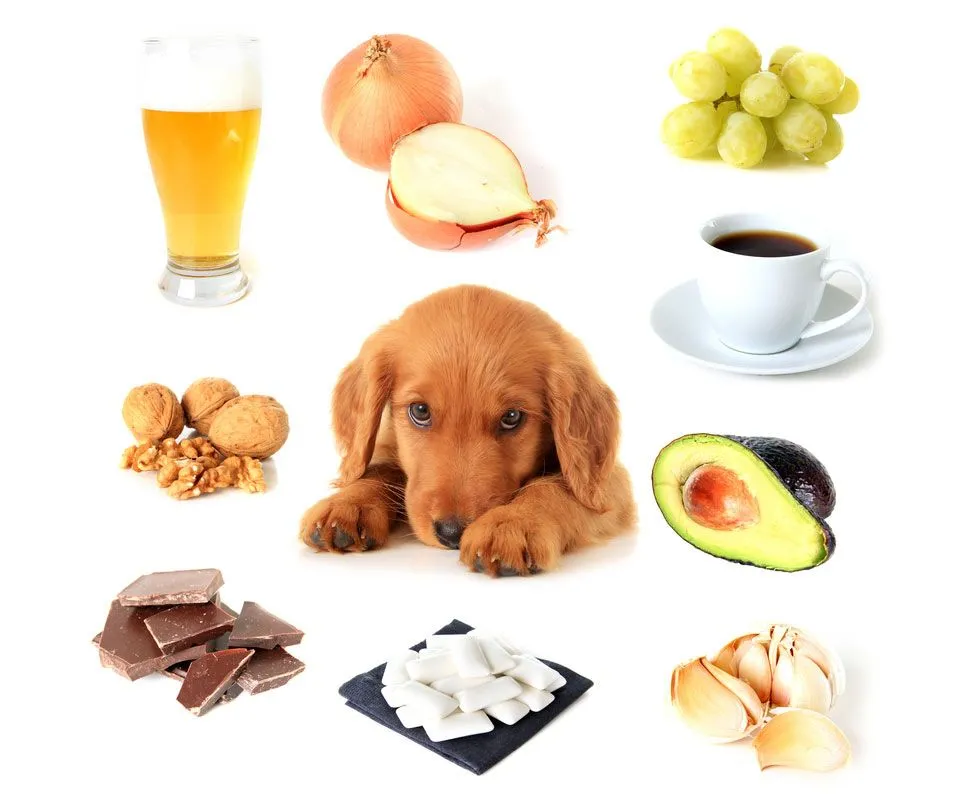
Chocolate Is a Common Holiday Toxin
You’ve likely heard from your pet’s veterinarian that chocolate is bad for cats and dogs. It’s true, chocolate is toxic to both cats and dogs. Chocolate contains theobromine, and theobromine is a chemical that has some similarities with caffeine. If your pet eats small amounts of chocolate, it can cause diarrhea and vomiting.
If your pet consumes large amounts of chocolate, it can lead to neurological and cardiovascular changes. Consumption of chocolate may also lead to pancreatitis. Of course, chocolate may be present in your home outside the holiday season, but chocolate confections are much more common during the holidays.
Mistletoe Is Toxic to Pets
Many people put up mistletoe in their homes during the holiday season. You may do this, and you might not think much of it. However, if you have a pet, you should be aware that mistletoe is potentially poisonous to your pet if they ingest it.
Mild gastrointestinal issues are common if your pet ingests small amounts of mistletoe. However, if your pet consumes large quantities of mistletoe, it can lead to more severe symptoms. These serious symptoms include seizures, collapse, and hypotension. For this reason, you should bring your pet to our veterinary clinic if they have eaten large amounts of mistletoe.
Alcohol Is a Frequent Holiday Toxin
Naturally, you know not to let your pet drink any alcohol. However, you can also find alcohol in raw bread dough containing yeast and some types of food like rum-soaked cake. In addition, your pet can experience symptoms such as disorientation, difficulty waking, changes in blood pressure, and more if it ingests alcohol. As a result, ensure your pet does not eat anything containing any alcohol.
Visit Summit Dog and Cat Hospital Today
If your pet has consumed any holiday toxin, you should stop by our practice today. Our veterinarian at Summit Dog and Cat Hospital in Summit, NJ, can provide your pet with the necessary veterinary care. We also offer many other kinds of vet care. Visit our practice today and ensure your pet gets the care it requires. We are pleased to serve you with your pet care needs in the areas of Short Hills, Millburn, Livingston, Chatham, Madison, Union, Westfield, Springfield, Summit, NJ Call our office at (908) 273-2200 to schedule your appointment.