

Fleas and ticks are two of the most common health threats facing dogs and cats. They are also two of the most preventable. For many owners the hard part is not deciding whether to protect their pet. The hard part is getting the routine done each month without a struggle.
Some pets disappear under the bed the moment they hear an applicator tube open. Others squirm through a collar fitting or spit out a chewable tablet. Cats in particular can turn a two minute task into a twenty minute wrestling match. Over time this leads to skipped doses, and skipped doses are how infestations start.
This guide walks through how to prevent ticks and fleas using methods that match your pet’s temperament. You will find guidance on product formats, techniques that lower handling stress, a practical tick check routine, and advice on treating the home and yard. If you would like a plan built around your specific pet, our team can help through our parasite prevention services.
Why Fleas and Ticks Deserve Serious Attention
It is easy to think of fleas and ticks as a nuisance rather than a medical problem. Both can cause real illness, and both are far easier to prevent than to eliminate once established.
What Fleas Do to a Pet
Adult fleas feed on blood and reproduce quickly. A single female can lay 40 to 50 eggs per day. Those eggs fall off the pet and land in carpet, bedding, upholstery, and floor cracks.
This is the detail that surprises most owners. The adult fleas visible on your pet represent only a small fraction of the total population. The majority exists in your home as eggs, larvae, and pupae. Treating the pet alone rarely solves the problem.
The most common complication is flea allergy dermatitis, a hypersensitivity to proteins in flea saliva. A single bite can trigger weeks of itching, hair loss near the base of the tail, and scabbing along the back. Owners often assume the pet has a skin condition rather than a parasite problem, which is why a dermatology evaluation sometimes ends up being the appointment that identifies fleas.
Tapeworm infection is also frequent, because pets swallow infected fleas while grooming. Many owners notice rice like segments near the tail before they notice a single flea. In puppies, kittens, senior pets, and animals with existing illness, a heavy infestation can cause enough blood loss to produce anemia. Constant scratching then breaks the skin and opens the door to secondary bacterial infection.
What Ticks Do to a Pet
Ticks attach to the skin and feed slowly over several days. Most tick borne diseases require the tick to stay attached for a period of time before transmission occurs. For Lyme disease this window is often quoted as 24 to 48 hours.
That window is why daily checks matter. A tick found and removed the same evening carries a much lower risk than one that feeds for two days.
Species Worth Knowing
Four species account for most cases. The blacklegged tick, commonly called the deer tick, is the one associated with Lyme disease, anaplasmosis, and babesiosis. It peaks in spring and fall and stays active through mild winters. Pets pick it up in wooded areas, leaf litter, and tall grass at woodland edges.
The American dog tick is active from spring through summer and can carry Rocky Mountain spotted fever as well as causing tick paralysis. It favors grassy fields, trail edges, and parks. The lone star tick appears from spring through late summer, carries ehrlichiosis and tularemia, and shelters in dense underbrush near animal trails.
The brown dog tick is the outlier. It can complete its entire life cycle indoors, which means it turns up at any time of year in homes and kennels rather than only after outdoor exposure.
Why Year Round Coverage Makes Sense
Ticks become active whenever the temperature rises above roughly 40 degrees Fahrenheit. Winter thaws routinely produce those conditions. Fleas are even less seasonal because heated homes give them a stable environment through the coldest months.
Stopping in November and restarting in April creates a gap of several months. Most infestations trace back to exactly this kind of gap. Consistent flea and tick prevention for pets works better than seasonal effort.
What Actually Stresses Pets During Treatment
Before choosing a product it helps to understand which part of the routine your pet objects to. The trigger is often narrower than owners assume.
Restraint and Position
Many pets do not mind the product itself. They mind being held still. Cats especially resist being scruffed or pinned. A pet that has been restrained firmly once will often anticipate it the next time.
The Sensation of Topical Products
Spot on treatments leave a cool wet patch between the shoulder blades. Some pets find this uncomfortable and will roll, rub against furniture, or try to groom the area. Long haired pets sometimes react to the fur being parted more than to the liquid.
Sound and Smell
The crack of an applicator tube, the rustle of packaging, or the smell of a medicated shampoo can become a warning signal. Pets learn these cues quickly and start avoiding the room where treatment happens.
Owner Tension
Pets read body language well. If you approach the task braced for a fight, your pet notices. Slow movements and a calm voice do more than most people expect.
Choosing a Prevention Method That Suits Your Pet
There is no single best option. The right choice depends on your pet’s species, weight, health history, lifestyle, and tolerance for handling.
Oral Preventives
Chewable tablets are absorbed into the bloodstream. Fleas and ticks are affected when they bite. Depending on the product, protection lasts either a month or up to twelve weeks. There is no surface residue, which suits households with small children or pets who groom each other.
The limitation is obvious. If your pet refuses the chew, the product does nothing. Some pets accept it more readily when it is offered before a meal rather than hidden inside one.
Topical Spot On Products
These are applied to the skin at the back of the neck and remain effective for about a month. They spread through the skin’s oil layer, and some formulations also cover mites and lice. They work well for pets who cannot or will not take oral medication.
The trade off is the wet sensation on the skin and the need to keep pets separated until the area dries.
Applying a Spot On With Less Struggle
Open and prepare the tube out of sight, then approach your pet normally. Part the fur with one hand while your pet is eating or being brushed. Apply in one steady motion and continue whatever the pet was enjoying. Keep the pet from being groomed by other animals until the area dries.
Prevention Collars
A quality collar releases active ingredient steadily for up to eight months. This removes the monthly reminder problem entirely, which suits owners who struggle to keep track of dosing dates. Check the fit regularly. You should be able to slide two fingers between the collar and the neck.
Some pets resist neck handling, and growing animals need the fit rechecked.
If Home Application Is Not Working
Some cats resist every format tried at home. Rather than accepting a pet who goes unprotected, it is worth raising the situation at your next visit. Your veterinarian can review which formats have failed and why, then suggest an approach suited to a pet who will not tolerate routine handling.
Shampoos, Sprays, and Combs
These provide immediate knockdown but no lasting protection. They have a place alongside a long acting product during an active infestation. For most cats, bathing is a significant stressor and is worth avoiding unless there is a clear reason.
Products and Remedies to Avoid
Some flea and tick treatment options carry real risk and are worth naming directly:
- Dog products applied to cats. Permethrin is common in canine formulations and is toxic to cats. This causes serious poisoning cases every year.
- Essential oil blends. Tea tree, pennyroyal, and several other oils are toxic to pets, particularly cats.
- Garlic and brewer’s yeast. There is no reliable evidence that either repels fleas, and garlic is harmful to dogs and cats in sufficient quantity.
- Unlabeled bulk products bought online. Dosing and active ingredients are frequently inaccurate.
Low Stress Techniques That Make the Routine Easier
The goal is to make treatment forgettable rather than memorable. These approaches come from cooperative care work and apply to both dogs and cats.
Pair the Product With Something Better
Give something your pet genuinely values immediately after treatment. Not a routine treat but the good one. Over several months the sequence changes meaning. The tube stops predicting discomfort and starts predicting something worthwhile.
Break the Task Into Smaller Steps
If your pet already resists, do not start with the full application. Work backwards over a few weeks.
In week one, touch the back of the neck for two seconds and reward immediately. Repeat a few times each day. In week two, touch the same area with an empty applicator tube and reward. In week three, part the fur with the empty tube, hold for three seconds, and reward. By week four you apply the real product using a motion your pet has already accepted dozens of times.
This looks slow, but it usually replaces years of monthly resistance. The same conditioning approach helps with grooming visits and nail trims.
Choose the Right Moment
Treat after exercise rather than before. A dog who has just walked three miles is far easier to handle than one who has been indoors all day. For cats, choose a quiet period after a meal.
Handling Cats Specifically
Cats respond poorly to being chased and cornered, and a few adjustments help considerably. Work on an elevated surface such as a counter or table, since cats feel more secure with height. Use a loose towel wrap rather than a firm grip. Wrapping the body while leaving the neck exposed feels far less confining than being held down.
Let the cat come to you. Set up in a room the cat already likes and wait rather than retrieving them from a hiding place. Keep the whole session under a minute. Long sessions teach avoidance, and a cat who learns to associate the counter with restraint will stop using it.
Handling Dogs Who Dislike Being Touched
Feed something long lasting such as a filled toy or a smear of soft food on a licking mat. Apply the product while your dog is occupied. Many dogs who resist direct handling do not notice at all when they are eating.
Making Tick Checks Feel Like Normal Petting
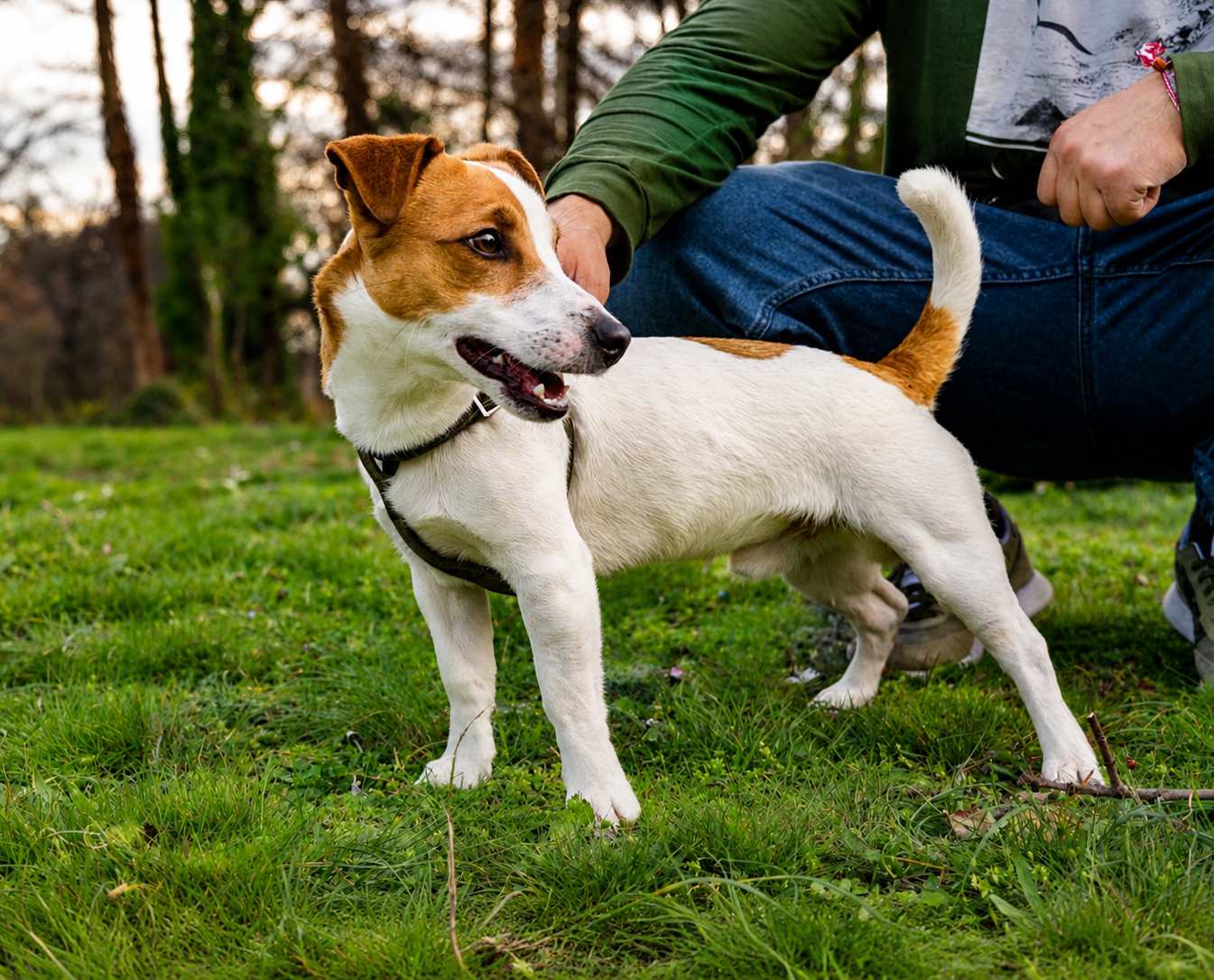
Daily checks matter as much as the product itself. No preventive kills every tick instantly, and physical removal shortens attachment time. The trick is folding the check into affection your pet already enjoys.
Run your hands slowly over the body during your usual evening routine. You are feeling for small firm bumps that were not there before. Most owners can complete a thorough check in under two minutes once it becomes habit.
Where Ticks Attach Most Often
Area to Check |
What You Are Feeling For |
Why This Spot |
| Ears and inner ear flaps | Small dark bumps, head shaking, scratching at one ear | Thin skin and easy access as pets push through brush |
| Around the eyes and muzzle | Attached ticks against pale skin | Pets lead with the face when investigating undergrowth |
| Under the collar | Bumps hidden by the collar band | Owners often check around the collar but not beneath it |
| Armpits and front legs | Firm bumps in warm skin folds | Sheltered and humid, which ticks prefer |
| Between toes and pads | Limping, licking at one foot | Direct contact with ground vegetation |
| Groin and belly | Visible ticks against sparse fur | Easiest area to inspect visually |
| Base of the tail | Flea dirt as well as attached ticks | Common site for both parasites |
Removing a Tick Safely
Use fine tipped tweezers or a tick removal hook rather than your fingers, which crush the tick and can push fluid into the bite. Grasp the tick as close to the skin as possible, at the mouthparts rather than the body, and pull upward with steady even pressure. Do not twist or jerk.
Clean the area with mild antiseptic afterward and wash your hands. Place the tick in a sealed bag with the date written on it. If your pet becomes ill later, identification of the species helps.
Do not apply petroleum jelly, nail polish, or a lit match. These methods are ineffective and can cause the tick to release more saliva into the wound.
Watch the bite site for two to three weeks. Contact your veterinarian if your pet develops lameness that shifts between legs, fever, swollen joints, reduced appetite, or unusual tiredness.
Treating the Home and Yard
Effective pet parasite prevention extends past the animal. If the environment holds a flea population, reinfestation continues regardless of what you apply.
Indoors
Vacuum daily during an active infestation, including under furniture and along baseboards. Vibration from the vacuum also triggers pupae to hatch, which exposes them to whatever treatment you are using. Empty the canister or discard the bag outside straight away rather than leaving it in the house.
Wash pet bedding weekly on a hot cycle for at least four weeks. Treat every animal in the household, including indoor only cats. A single untreated pet is enough to keep the cycle running while everyone else is protected.
Outdoors
Keep grass short and clear leaf litter, which is where blacklegged ticks shelter through dry spells. A three foot wood chip or gravel border between lawn and woodland edge is one of the more effective measures available to homeowners, because ticks rarely cross dry open ground.
Move woodpiles and bird feeders away from areas where pets rest, since both attract the rodents that carry immature ticks. Trimming dense shrubs to let sunlight reach shaded ground also helps, as ticks dry out quickly in direct sun.
Signs Your Current Plan Is Not Working
Flea dirt in the coat is the clearest indicator. Comb your pet over damp white paper and look for dark specks that turn reddish brown, which is digested blood. Ongoing scratching, chewing at the tail base, or thinning fur along the back point the same way, as does finding ticks regularly despite consistent dosing.
Two practical causes are worth checking. Weight change since your last product purchase can leave a pet underdosed, since products are sold in weight bands and a dog that has gained several pounds may have crossed into the next one. Frequent bathing or swimming can also shorten the effective life of some topical products.
Persistent itching is not always parasites. Environmental and food allergies produce similar signs. If a course of treatment has not resolved the scratching, our overview of signs your pet has allergies covers the differences worth knowing.
Where Your Veterinary Team Fits In
A few parts of prevention are better handled at the clinic than at home.
Accurate Weight and Dosing
Products are dosed by weight band. An annual pet wellness exam confirms the right band and catches drift before it affects protection.
Tick Borne Disease Screening
A simple blood test screens for exposure to Lyme disease, anaplasmosis, and ehrlichiosis. It is usually run alongside the annual heartworm test. Since mosquitoes and ticks share overlapping seasons, most owners combine this with heartworm prevention on the same schedule.
Keeping Protection Simple and Sustainable
The most effective plan is the one you will actually follow. A product your pet tolerates and you remember to give beats a theoretically superior option that ends up skipped.
Start by identifying which part of the routine your pet resists. Choose a format that avoids that specific trigger. Build a positive association over a few weeks rather than forcing the issue. Add a short daily tick check into petting you already do. Treat the home and yard alongside the pet.
Approached this way, learning how to prevent ticks and fleas becomes a small background habit rather than a monthly confrontation. Your pet stays comfortable, and you avoid the far larger disruption of an established infestation.
If you would like help choosing a product or building a routine around a pet who resists handling, contact Summit Dog and Cat Hospital at (908) 273-2200. You can also review our full range of preventive care services or request an appointment online.
Frequently Asked Questions
Q: Do indoor cats really need flea and tick protection?
A: Yes. Fleas travel indoors on clothing, on dogs, and through gaps around doors. Ticks arrive the same way. Indoor cats are also less likely to be checked regularly, so problems are often noticed later.
Q: How quickly do preventive products start working?
A: Most oral products begin killing fleas within a few hours and ticks within one to two days. Topical products spread across the skin over roughly 24 hours. Neither prevents ticks from attaching in the first place.
Q: Can I bathe my pet after applying a spot on treatment?
A: Wait at least 48 hours so the product distributes fully. After that, occasional bathing is usually fine, though frequent washing or swimming can shorten effectiveness. Check the label for your specific product.
Q: My pet still has fleas after treatment. What went wrong?
A: Most commonly the home environment was not addressed, or another pet in the house went untreated. Eggs and pupae in carpet and bedding can keep hatching for weeks. Continue treating everything for at least three months.
Q: Is it safe to use flea and tick products on puppies and kittens?
A: Only products labeled for their age and weight. Most have minimum thresholds, often eight weeks and two pounds. Never apply an adult dog product to a puppy or any canine product to a cat.